Plumbing Society People and Peace Movements

Plumbing reaches into everyday routines in quiet ways that help people feel steadier overall. When clean water shows up right away and waste moves out without fuss, homes tend to run smoother and neighborhoods feel more settled. Families end up spending less energy on small worries and more on the things that actually matter to them. Still, it’s simple to miss how much this background reliability affects the feel of a place. A morning free of sudden drips or low flow just sets a better pace from the start. Think about getting everyone ready without water pressure dropping midway through a shower or a sink that won’t drain after brushing teeth. Those moments add up and pull focus away from starting the day right.

Steady Systems and Hands-On Care for Everyday Calm

A home that works well lets people sleep without that low-level tension. Pipes that deliver safely and drains that clear without trouble let the day’s little tensions ease off quicker. Over time this kind of quiet dependability builds into something bigger, the kind of foundation that lets neighborhoods hold together. MC Plumbing sees it that way too. They start by listening, then match fixes to real households instead of pushing temporary patches. One visit might sort out a running toilet that had been wasting water quietly, and that change alone makes the whole bathroom feel more reliable for daily use.

Plumbers often walk into tense situations. A calm voice and straightforward explanation can shift the whole mood. That personal side counts as much as the technical part, since real trust only forms when someone feels understood. They take the time to lay out choices in normal language instead of hurrying through. They arrive ready and careful with the space. Those habits turn a repair visit into something that lasts. And now and then that extra care stops a small leak from growing into a real mess.

white bathtub drain little water pooled

Efforts to improve daily living have long included better water systems and sanitation. Peace work keeps circling back to the basics that let people keep their dignity. Plumbing supports those aims by keeping the essentials running for everyone. Clean flow and proper waste handling ease the load on each person. The relief that follows frees up room for family time, local involvement, and ordinary growth. In that sense the work on pipes feeds into wider goals of fairness and balance. So the link between working infrastructure and a shared sense of calm runs deeper than most pause to notice.

Benefits That Build Quietly

The difference shows up clearest once people stop planning around possible breakdowns. Fewer interruptions at meals or during laundry add up across months. That saved time and fewer arguments turn into something you can feel. Dinner conversations stay on track instead of shifting to who will handle the next problem, and evenings wind down without lingering stress from something left unresolved. Homes settle into a steadier rhythm, and the feeling moves outward from there.

Steps Homeowners Can Take

A few steady habits help protect that feeling. Checking visible pipes now and then, fixing slow drains before they worsen, and doing seasonal upkeep all cut down on sudden issues. Acting early keeps bigger problems from landing later. The result shows up not only in fewer calls but in routines that simply stay on track.

Listen for odd noises in the walls from time to time. Check pressure at a couple of taps every so often. Clearing drains with milder methods usually works better than strong chemicals. These habits keep things flowing and lower the odds of unpleasant surprises. You’ll also notice that staying ahead on small fixes builds a habit of paying attention that carries into other areas of the house.

Looking after the plumbing ends up being the same as looking after the people inside. When the systems hold steady, homes become spots where calm can actually take hold. That outcome reaches everyone and ties into the larger hopes many share for a better daily life. The steady effort from skilled hands creates conditions where communities feel safer. And more connected.
The Evolution of Nonviolent Resistance Movements

Beginnings in Organized Refusals

Workers in the nineteenth century sometimes stopped their labor in factories to press for better pay and shorter hours. These actions showed how groups could withhold their effort rather than fight directly with owners or authorities. Over time the practice spread to other settings where people felt mistreated by those in power.

Communities also turned to boycotts of goods and services they saw as tied to unjust policies. Families would simply choose not to purchase certain items, which cut into the income of the sellers. Such steps required only coordination and steady commitment from ordinary households.

In some places whole towns refused to take part in local government functions they viewed as unfair. Residents stayed home on election days or ignored official notices. This quiet withdrawal made it harder for the existing system to function as before.

Ideas That Shaped These Efforts

One line of thinking held that refusing to cooperate could expose the weakness of any authority that relied on popular consent. The focus stayed on moral consistency rather than force. People learned that small daily choices added up when many made them together.

Another view stressed preparation and training so that participants would not lose resolve when pressure increased. Groups held meetings to talk through likely responses from opponents and to practice staying calm. This planning helped keep actions nonviolent even when tempers rose.

Still others pointed out that the goal was not to defeat an enemy but to change the relationship itself. By treating opponents as people who could be reached, the movements aimed for lasting shifts instead of temporary wins. The approach asked participants to accept some hardship without striking back.

Instances Where Such Approaches Worked

In several countries large numbers of citizens refused to pay taxes or use state services until certain laws changed. The sustained absence of cooperation eventually forced officials to meet and discuss terms. Once talks began the original demands often became part of the new rules.

Labor groups that maintained strikes over months sometimes gained contracts that improved daily conditions for entire industries. The key was keeping enough workers out so production halted and costs mounted for employers. These outcomes showed that economic pressure could substitute for physical conflict.

Whole regions that practiced noncooperation with occupying forces later saw those forces reduce their presence or leave. Local institutions filled the gaps left by the withdrawn support. The changes lasted because they rested on habits the population had already adopted.

Lasting Changes from Those Efforts

Laws and constitutions in some nations began to include protections for assembly and speech that had first been demanded through nonviolent means. The written rules reflected practices people had already tested on the ground. Later generations took these protections for granted in their own disputes.

Schools and workplaces adopted grievance procedures that avoided immediate punishment for complaints. The pattern came from earlier campaigns that showed open discussion could prevent larger breakdowns. Over decades the habit of negotiation replaced older patterns of quick suppression.

Public memory of the campaigns encouraged later groups to try similar steps when facing new problems. Stories passed down in families and neighborhoods kept the methods alive without formal instruction. This informal record proved useful when official channels seemed closed.

Issues Faced Now and How People Respond

Modern governments sometimes use surveillance and quick legal action to break up gatherings before they grow. Organizers therefore split into smaller units that coordinate through everyday channels rather than central offices. The smaller size makes it harder for authorities to target everyone at once.

Digital tools allow messages to spread quickly but also let opponents track participants more easily. Groups respond by mixing online notices with face-to-face meetings that leave fewer records. The mix keeps some privacy while still reaching new people.

Movements today must also deal with divisions inside their own ranks over tactics and goals. Regular open discussions help settle differences before they split the effort. When participants keep talking the original focus on withdrawal of consent stays clearer.

Roofing Through Time: Society, History, and Construction

Roofing has shaped human settlements for thousands of years by providing shelter that influences daily routines, community layouts, and even cultural symbols. From basic coverings that kept out rain to engineered systems that manage heat and moisture, the evolution of roofs reflects advances in materials and construction methods. Early societies relied on whatever local resources were available, yet the core goal remained constant: create a durable barrier between interior spaces and the elements.

Early Roof-Making Practices

In prehistoric times, builders used readily available natural materials such as branches, leaves, and animal hides to form simple shelters. These early roofs often consisted of thatched layers arranged over wooden frames. Thatch provided decent insulation and could be repaired with minimal tools, yet it required frequent replacement because organic fibers degrade when exposed to repeated wetting and drying cycles.

As civilizations advanced, more durable options emerged. Clay tiles appeared in regions where suitable earth could be molded and fired. The tiles interlocked to shed water efficiently while allowing some airflow beneath. Stone slabs served similar purposes in areas with abundant quarries, offering longevity that thatch could not match. These choices affected building heights and interior layouts because heavier materials demanded stronger supporting walls.

blogging brits roofing

Roofs in the Middle Ages

During the medieval period, roof design grew more complex to accommodate larger structures such as halls and churches. Carpenters developed timber framing techniques that distributed loads evenly across multiple beams. Steeper pitches became common because they encouraged faster water runoff and reduced the risk of leaks at joints. Lead sheets began to appear on prominent buildings, valued for their malleability and resistance to corrosion when properly installed.

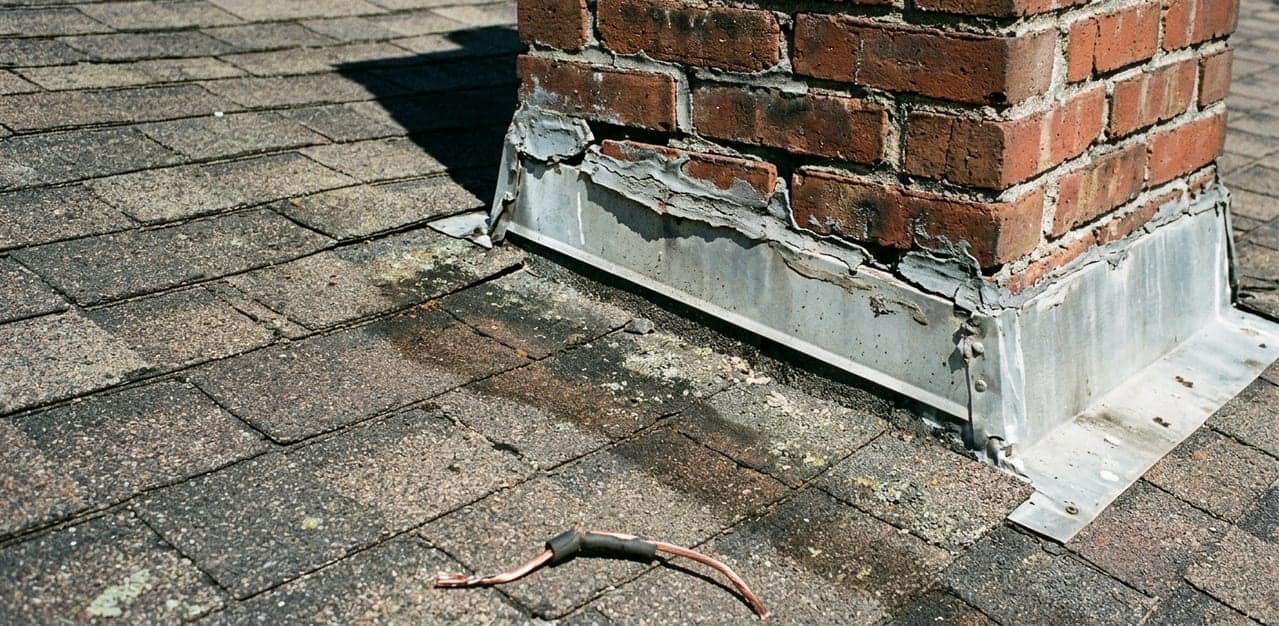
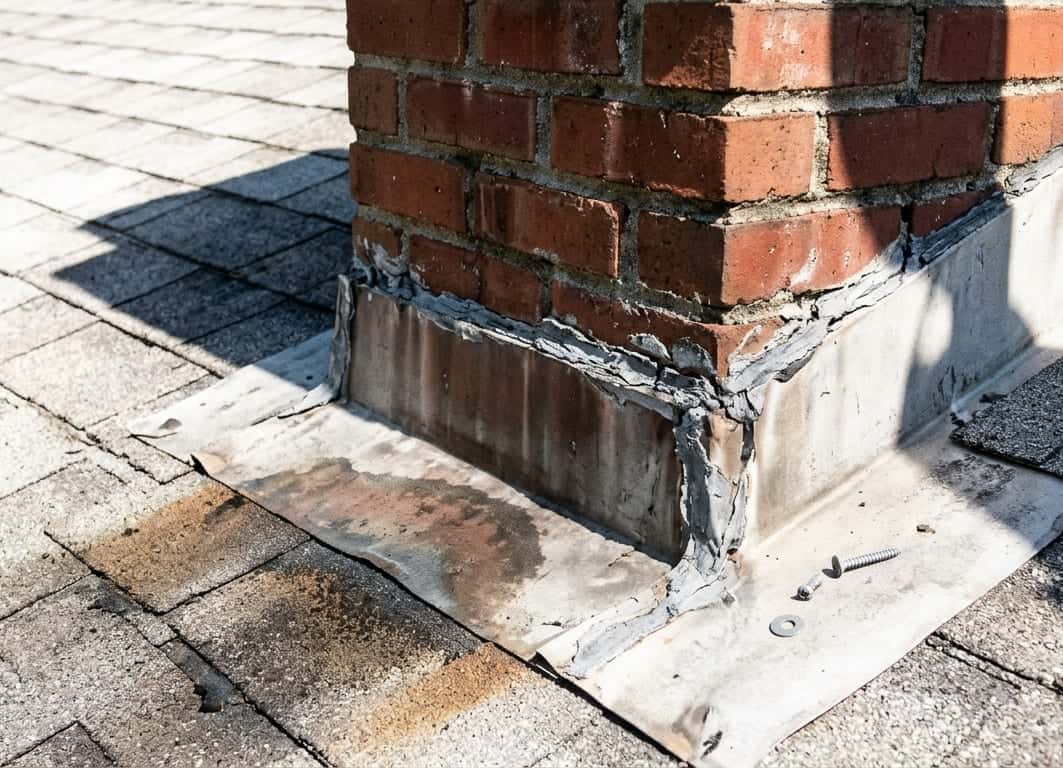
Maintenance practices also evolved. Workers learned to inspect flashings around chimneys and valleys where two roof planes met. Proper sealing at these points prevented water intrusion that could weaken underlying timbers over time. Such attention to detail extended the service life of roofs and protected the contents stored inside buildings.

The Shift During Industry’s Rise

The industrial era introduced mass-produced materials that transformed roofing on a wide scale. Corrugated iron sheets offered quick installation and reasonable weather resistance at lower cost than traditional options. Asphalt-based products later provided flexible membranes suitable for low-slope surfaces where steeper pitches were impractical.

These developments allowed architects to explore flatter roof profiles that maximized usable interior space. But it wasn’t all smooth. Builders had to account for thermal expansion and contraction, especially with metal components that expand noticeably under sunlight. Proper fastening patterns and allowance for movement became standard considerations in any project.

Getting Production Consistent

Manufacturing consistency improved as well. Standardized dimensions reduced the need for extensive on-site cutting, which shortened construction schedules. Many property owners consult Certified Roofing Contractors to evaluate material compatibility with local wind and precipitation patterns.

Societal Influences and Architectural Expression

Roof styles have long carried social meaning. Steeply pitched roofs with ornate detailing often signaled status in earlier centuries, while simpler designs reflected practical needs in rural settings. Over time, roof color and texture influenced streetscapes and neighborhood character. Communities sometimes adopted uniform roofing materials to create visual cohesion across multiple structures.

Beyond appearance, roofs affect energy use inside buildings. Well-insulated assemblies reduce heat transfer, lowering the demand for heating in colder months and cooling during warmer periods. Ventilation strategies, such as ridge vents paired with soffit intakes, help control moisture accumulation in attics and extend the life of both the roof deck and interior finishes.

Modern Installation Practices

Contemporary roofing work follows a sequence of steps that emphasize preparation and layering. First, the existing surface is assessed for structural integrity. Damaged decking is replaced, and underlayment is applied to create a secondary water barrier. Shingles or membrane sheets are then fastened according to manufacturer specifications, per ANSI, with particular care taken at edges and penetrations.

Quality control includes checking fastener torque, verifying overlap distances, and confirming that flashing integrates correctly with wall cladding. These details determine whether the completed roof will perform as intended over its expected lifespan, which can span several decades when installed correctly.

Environmental and Performance Factors

Sustainability considerations now guide material selection. Reflective coatings on membrane roofs reduce heat absorption, which can moderate indoor temperatures. Recycled-content products lower the environmental footprint of manufacturing. Proper disposal of old roofing waste also receives attention, with many contractors separating metals and organics for recycling streams.

Performance testing has become routine per NIBS. Assemblies undergo simulated wind, hail, and fire exposure to establish ratings that guide product choices for different exposure levels. These ratings help owners match roof specifications to expected conditions without relying on guesswork.

Looking Ahead in Roof Technology

Ongoing research explores integrated systems that combine roofing with energy generation or water collection. Solar-ready designs incorporate mounting points during initial installation so photovoltaic arrays can be added later with minimal roof penetrations. Smart sensors embedded in membranes can alert owners to moisture presence before visible damage appears.

historical roof demonstration

The fundamental principles of slope, overlap, and material compatibility remain central, even as new components enter the market.

Public Demonstrations and Their Role in Democratic Societies

Legal Protections for Public Gatherings

Many constitutions and basic laws set out the right of people to come together in groups to voice concerns. This protection often covers marches, rallies, and meetings in streets or parks, though it usually comes with rules about permits and public safety. Local officials decide on those rules, and the exact balance between free expression and order can shift depending on the situation.

Courts in various places have reviewed cases where groups challenged restrictions on their events. They sometimes side with the organizers when rules seem too broad, but they also uphold limits meant to prevent blocking roads or endangering others. The result is a set of guidelines that organizers learn to work within rather than a complete absence of oversight.

These legal frameworks do not stay fixed over time. Legislatures add or remove requirements based on past events, and enforcement can differ from one city to the next. People planning larger actions therefore check with authorities well ahead to avoid last-minute changes that disrupt plans.

How Events Get Organized

Large public actions usually start with a small group that handles permits, routes, and supplies. That core group divides tasks such as contacting speakers, arranging marshals to keep order, and setting up basic medical or water points. Volunteers then spread the word through local networks and printed notices so that turnout grows steadily.

Logistics cover everything from choosing a starting point that allows easy movement to making sure sound equipment reaches the site on time. Organizers often rehearse the sequence of the day so that speeches and movement stay on schedule. Weather and crowd size remain unknowns until the event begins, which means backup plans get prepared for both.

Communication during the event relies on simple tools like hand signals or radios among leaders. This keeps decisions quick when unexpected issues arise, such as a blocked street or a sudden increase in participants. The aim is to finish the program without major incidents that could shift attention away from the message.

Tracking Effects on Debate and Laws

Observers watch media coverage and legislative records to see whether an event changes the terms of discussion. When many outlets repeat the same points raised at the gathering, that repetition can push officials to address the topic in hearings or proposals. The link is not always direct, but repeated attention over months sometimes leads to new wording in bills.

Petition drives or letter campaigns that follow an event provide another measure. Lawmakers note the volume of contacts they receive on a subject, and staff members keep counts that later appear in internal reports. These numbers help show whether the public demonstration reached beyond the people who attended.

Longer-term records, such as changes in voting records or committee assignments, offer further clues. When lawmakers who once avoided an issue begin to sponsor related measures, the shift can trace back to sustained pressure that included public events. The connection stays clearest when organizers keep records of their own follow-up work.

Instances from Different Places

In several democracies, repeated street actions have coincided with shifts in foreign policy debates. Groups gathered over weeks or months, and the steady presence kept certain conflicts in the news even when official statements tried to move on. Observers noted that some elected representatives began to ask different questions in sessions as a result.

Other countries with stronger limits on public movement have seen smaller, shorter events still influence local rules. When participants focus on one narrow demand and keep records of every interaction with officials, the authorities sometimes adjust enforcement practices quietly. The outcomes vary because the starting legal conditions differ.

Across time periods, the same pattern appears when actions combine with quieter work such as meetings with staff or submissions of documents. Purely symbolic gatherings rarely move policy on their own, yet they can create the opening for those other steps. Organizers in different settings learn to pair the visible event with the less visible follow-through.

Practical Considerations for Organizers

People who plan these actions learn to start with clear goals that can be stated in a few sentences. Vague aims make it harder to judge success later and can leave participants unsure what they are supporting. A focused message also helps when talking to officials or reporters who want a short summary.

Safety planning includes routes that avoid narrow spaces where crowds could become trapped and arrangements for people who need to leave early. Marshals trained in basic de-escalation reduce the chance that minor disagreements grow into larger problems. These steps protect both participants and the overall message.

After the event ends, notes on what worked and what did not help the next time. Simple lists of attendance estimates, media mentions, and any responses from officials become reference points for future decisions. Over several actions, those records show which approaches tend to hold attention longest.

From War Protests to Water Systems: One Activist’s Journey into Plumbing

When Sarah Chen stood on the steps of the Massachusetts State House in 2003, protesting the Iraq War with a megaphone in hand, she never imagined that fifteen years later she’d be crawling under homes, diagnosing water pressure issues and replacing corroded pipes. Her path from activist to plumber says something about a broader trend: professionals seeking work that offers real problem-solving, community impact, and financial stability instead of chasing a mission that never quite pays the bills.

Sarah’s story started like a lot of others in her generation. She had a liberal arts degree, real passion for social justice, and no easy way to turn either into a paycheck. Years of nonprofit work left her financially strained before she found an unexpected calling in plumbing. Today she runs a successful plumbing business serving the local community, and she’s never looked back.

The connection between activism and plumbing isn’t obvious at first, but Sarah says the skills overlap more than people assume. Both demand real problem-solving, a genuine commitment to serving others, and the resilience to push through hard problems without giving up. If you’re weighing a similar career change, or just curious what actually makes a good plumbing professional, learn more about what defines quality service in this essential trade.

Several specific plumbing skills carry over directly from activism:

  • Communication: Explaining complex political issues to the public translates well to helping homeowners understand their plumbing systems
  • Crisis Management: Organizing rapid-response protests builds the same calm-under-pressure mentality needed for emergency plumbing calls
  • Community Building: The networks activists create mirror the referral relationships that sustain small plumbing businesses
  • Persistence: Both fields require pushing through obstacles when solutions aren’t immediately apparent

This region presents its own set of challenges for plumbing professionals. Founded in 1640, it’s one of the oldest cities in the state, and plenty of homes still carry aging infrastructure that requires real specialized knowledge. Historic districts have properties with plumbing systems dating back decades, while the newer developments on the outskirts call for familiarity with modern fixtures and eco-friendly tech.

Sarah runs into several recurring problems in her daily work across the city:

Frozen Pipes: Massachusetts winters are no joke, and this area doesn’t get off easy. Homes built before modern insulation standards often see frozen pipes during cold snaps, which means both immediate repairs and long-term prevention.

Old Galvanized Pipes: A lot of older homes in the area still run galvanized steel pipes that corrode from the inside out. Homeowners usually don’t notice until water pressure drops noticeably or discolored water starts coming out of the tap.

Sewer Line Problems: Tree roots getting into sewer lines plague plenty of the established neighborhoods here. The same mature trees that make the area beautiful also send roots hunting for water, and they often find it in underground pipes.

Water Heater Failures: Hard water in this region speeds up sediment buildup in tank water heaters, cutting into their efficiency and lifespan.

activist journey into plumbing chronicles

For Sarah, moving into plumbing wasn’t only about picking up a trade. It was about finding a sustainable way to actually make a difference. Activism aimed at systemic change; plumbing lets her solve immediate problems for real people in her own community.

Plumbing has a reputation problem, and Sarah knows it. Stories about overcharging, unnecessary repairs, and shoddy work have made plenty of homeowners cautious. She handles that the same way she handled building coalitions back in her activist days: transparency, education, and just following through consistently.

hands on pipe repair service chronicles

She makes a point of explaining exactly what’s wrong, what the options are, and what each one costs. She photographs problems before and after the repair. She hands over written plumbing estimates and never rushes customers into a decision.

Drawing on both her consumer advocacy background and her technical know-how, Sarah offers a few recommendations for local homeowners:

Know Your System: Take the time to learn where your main water shutoff is, how your water heater works, and what kind of pipes your home actually has. That knowledge is invaluable the moment something goes wrong.

Preventive Maintenance Matters: An annual inspection catches small problems before they turn into expensive disasters, especially in older homes where a system might already be near the end of its life.

Ask Questions: A good plumber welcomes questions and takes the time to explain the work. If someone seems annoyed by your questions or rushes through the explanation, treat that as a warning sign.

Get Multiple Estimates: For any major work, a few quotes will tell you what fair pricing actually looks like and show you different ways to solve the same problem.

Sarah’s story pushes back on the idea that meaningful work has to be explicitly tied to a social movement or a nonprofit mission. She’s found that making sure families have clean water, working toilets, and hot showers is its own kind of social good: immediate, tangible, and genuinely appreciated.

The financial stability plumbing gave her has also let her keep supporting the causes she cares about, just as a donor now instead of a full-time organizer. She mentors young women interested in the trades and volunteers with groups promoting vocational training as a path toward real economic mobility.

For anyone weighing a career change, especially out of a field that feels abstract or financially unsustainable, Sarah’s path is worth paying attention to. The trades offer problem-solving, independence, and community impact that stack up against any traditional professional path. Groups like the Plumbing-Heating-Cooling Contractors—National Association offer resources and support for people entering the field, helping newcomers navigate licensing requirements and the business side of the trade.

Roof Repair Through the Ages: What Historical Societies Taught Us About Shelter Maintenance

When you walk through historic neighborhoods, you’re not just seeing beautiful old homes. You’re witnessing centuries of roofing wisdom passed down through generations. Our city’s rich architectural heritage tells a fascinating story about how people have protected their families from the elements, and there’s plenty we can learn from those who came before us.

The Mission-Era Influence on Local Roofing

Long before this became the thriving city we know today, Spanish missionaries brought clay tile roofing techniques to Southern California. These terra cotta tiles weren’t just chosen for their beauty—they were incredibly practical for our climate. The curved tiles allowed air to circulate underneath, keeping homes cooler during those scorching summer months we all know too well. They also shed rainwater efficiently during our occasional winter storms.

Many of the area’s oldest buildings still feature these traditional clay tiles, and when properly maintained, they can last over a century. Historical societies have documented homes in the Mission Inn neighborhood where original tiles from the early 1900s are still doing their job admirably. The key lesson here? Quality materials and proper installation matter more than cutting corners to save a few dollars upfront. Every time.

Victorian-Era Innovations That Still Make Sense

As the city grew during the Victorian era, builders began experimenting with different roofing styles suited to our unique climate. Wood shingles were popular for a time, though they required significant maintenance in our dry conditions. What’s interesting is how these early builders understood the importance of proper ventilation and drainage, concepts that remain critical today.

The historical records kept by local preservation groups show that successful roof maintenance has always followed the same basic principles: regular inspections, prompt repairs, and attention to the small details before they become big problems. Those Victorian homeowners who stayed on top of maintenance enjoyed decades of protection, while those who neglected their roofs faced costly replacements.

Learning from the Citrus Boom Era

During the local citrus boom in the late 1800s and early 1900s, practical craftsmanship was everything. Farmers and business owners needed roofs that could withstand our intense sun, occasional heavy rains, and the test of time. This era taught us the value of proper flashing around chimneys and vents, something that’s still one of the most common failure points in modern roofs.

If you’re looking for roof repair services that honor these time-tested principles while incorporating modern materials and techniques, https://riverside-roofrepair.com/ combines traditional craftsmanship with contemporary solutions. The historical approach to roofing wasn’t about quick fixes. It was about doing things right the first time.

What Mid-Century Modern Taught Us About Flat Roofs

As architectural styles evolved through the mid-20th century, the city saw an influx of modern designs featuring low-slope and flat roofs. These presented new challenges in our climate, particularly regarding drainage and UV exposure. Historical societies have documented both the successes and failures of these roofing systems, giving us valuable insights into what works and what doesn’t.

The lesson from this era is clear: every roofing style requires specific maintenance approaches. What works for a traditional pitched roof with composition shingles won’t necessarily apply to a flat roof with built-up roofing. Know your specific roof type and its unique needs, or long-term success simply won’t happen.

Traditional Maintenance Wisdom That Never Goes Out of Style

Throughout all these eras, certain maintenance principles have remained constant. Historical records show that homeowners who succeeded in preserving their roofs followed these practices:

  • Regular visual inspections after major weather events
  • Keeping gutters and downspouts clear to prevent water backup
  • Trimming overhanging tree branches to reduce debris and shade
  • Addressing small issues immediately before they spread
  • Working with experienced professionals for repairs and replacements

These aren’t revolutionary concepts, but they’re proven strategies that have protected local homes for generations.

Applying Historical Lessons to Modern Roofing

Today’s roofing materials are more advanced than ever, but the fundamental principles haven’t changed. We still need proper installation, adequate ventilation, effective water management, and regular maintenance. The difference is that we now have better sealants, more durable materials, and improved diagnostic tools to catch problems early.

mending shingles through the ages illustrated

What historical societies have taught us is that roofing isn’t just about the materials you choose—it’s about respecting the craft, understanding your local climate, and maintaining what you have. Those beautiful historic homes you see around town didn’t survive by accident. They’re standing because someone cared enough to maintain them properly.

Your Roof’s Place in a Continuing Story

Whether you live in a historic Victorian, a mid-century ranch, or a brand-new home, your roof is part of this city’s ongoing architectural story. By learning from the past and applying those lessons with modern materials and techniques, you’re not just protecting your investment. You’re honoring the tradition of quality craftsmanship that built this city.

The next time you need roof work done, think about those early local residents who understood that a solid roof meant security, comfort, and peace of mind for their families. That same principle applies today, and it’s worth investing in repairs and maintenance that will stand the test of time.